

Enquiry
Date
- Jun 17 2026
- Expired!
Time
- 16:00 - 17:30
Cost
- Free
Location
- OBA
- Spaarndammerbuurt

Hoe denken boeddhisten?
Woensdag 17 juni | 16:00 – 17:30u
Talk bij OBA Spaarndammerbuurt
Een introductie tot het boeddhistische gedachtegoed en de relevantie hiervan in de moderne tijd.
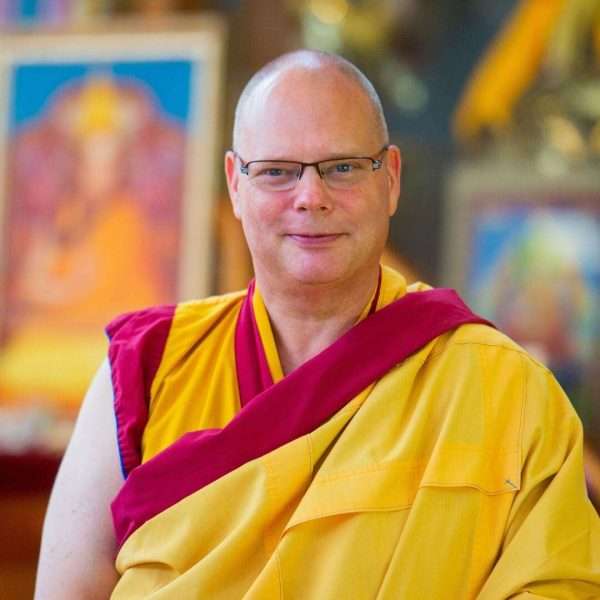
Onze gast Gen Kelsdang Dragpa, is de vaste leraar van het Kadampa Meditatie Centrum Nederland in de Spaarndammerstraat.
Aanmelden bij de balie van de OBA Spaarndammerbuurt of via buurtwest@oba.nl
Speaker
Gen Kelsang DragpaGen Kelsang Dragpa is a modern Kadampa Buddhist monk and teacher from the Netherlands. He is a Resident Teacher of Kadampa Meditation Centre Netherlands in Amsterdam and the National Spiritual Director for the Nordic region and the Netherlands. Gen Dragpa teaches in a practical and accesible way.
Hourly Schedule
Talk
- 16:00 - 17:30
- Hoe denken boeddhisten
Speakers:
Gen Kelsang Dragpa

Gen Kelsang Dragpa
Gen Kelsang Dragpa is a modern Kadampa Buddhist monk and teacher from the Netherlands. He is a Resident Teacher of Kadampa Meditation Centre Netherlands in Amsterdam and the National Spiritual Director for the Nordic region and the Netherlands. Gen Dragpa teaches in a practical and accesible way.
-
Who can join?
Anybody can join, meditation can be practiced by everybody regardless of faith, or previous experience.
-
What to bring?
Just show up, there is no need to bring anything.
-
What is meditation?
Meditation is a mental activity that creates inner peace and tranquility, through following specific guidance.
-
What are the benefits of meditation?
Meditation has limitless potential to produce benefits, but the most common are: 1) Reduce Stress - Experience a calm mind & reduce mental tension and anxiety; 2) Find Inner Peace - Improve your sense of well-being & experience real happiness; 3) Benefit Others - Develop a positive outlook and caring attitude to others.
-
What is the purpose of meditation?
The purpose of meditation is to cultivate positive mental states and overcome negative habits. Through meditation we learn that happiness is a state of mind and that the real source of happiness lies within, not in external situations.